


























Editor's Note
The biblical festivals are not only central to Jewish life and identity, but they also serve as windows into God’s redemptive plan for the nations. At a time when Jewish–Christian relations are often marked by tension and misunderstanding, the global church is called to build bridges of understanding, love, and witness.
This new series explores the holidays of world religions to help us understand and engage meaningfully and missionally with our neighbours of other beliefs in practical ways. In this series, we uncover what we can learn from these festivals that can enrich our biblical understanding, discipleship and mission. Each article invites the church to deepen faith, reach out to religious communities with humility and love, and participate in God’s reconciling mission to the world.
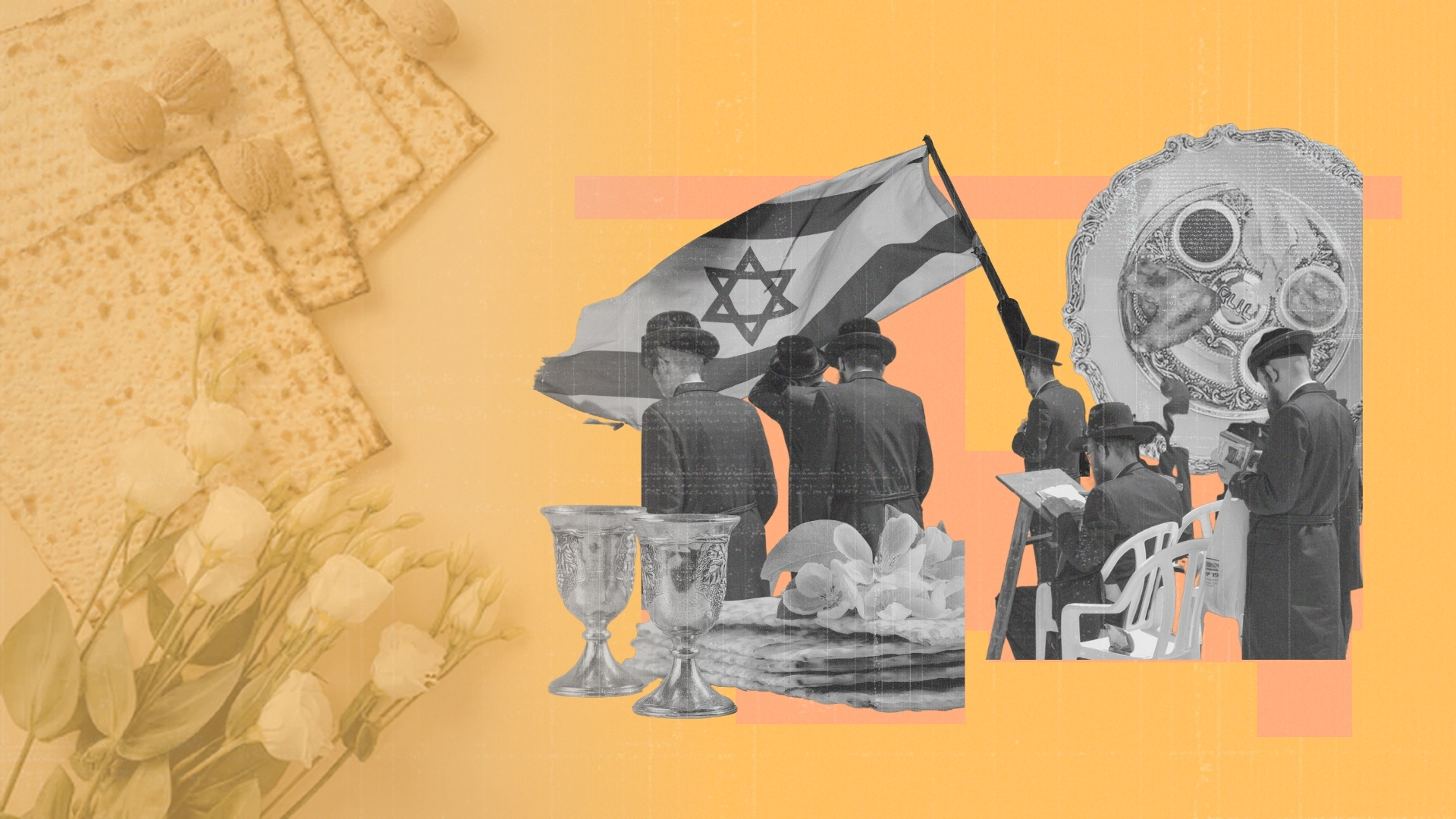
The house has been scrubbed clean and cleared of every last crumb of leavened bread. The table is set with a beautiful cloth, the good china, and heirloom candlesticks. The air is filled with the aromas of beloved family recipes simmering in the kitchen. Some gatherings are so large that every leaf must be added to the dining room table. Others are smaller and more intimate.
But whether large or small, most Passover gatherings begin the same way. The youngest person present asks a question that has echoed in Jewish homes for centuries:
‘Why is this night different from all other nights?’
‘Why is this night different from all other nights?’
For thousands of years, the Jewish people have gathered around their tables to answer that question. Passover commemorates the night recorded in Exodus 12 when God delivered the Hebrew people from slavery in Egypt. After Pharaoh repeatedly refused to release them, God sent devastating plagues upon the land. The final plague was the most severe: the death of every firstborn in Egypt.
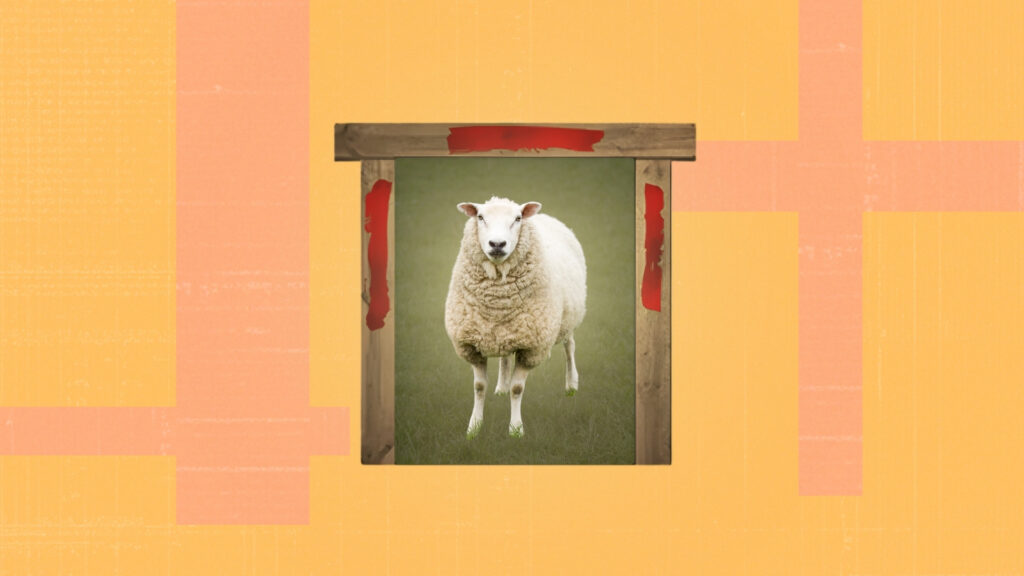
God instructed the Hebrew people to sacrifice a spotless lamb and mark the lintel and doorposts of their homes with its blood. When the angel of death passed through the land, the homes marked by the blood of the lamb were spared. Through this act of faith, the Israelites were protected and ultimately set free.
Passover marks God’s dramatic rescue of his people from slavery to freedom. It is a defining moment in Jewish history and one that stands at the heart of the biblical story. For Christians, it also points forward to the work of Jesus, whose life and ministry are deeply rooted in the themes of deliverance first revealed in the Exodus.
Remembering the Exodus
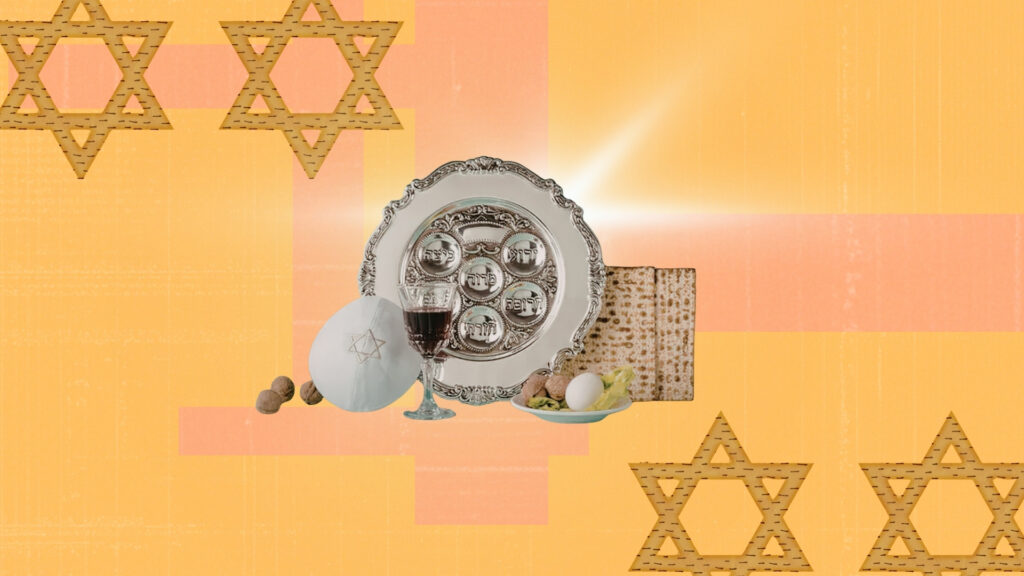
Today, the springtime celebration known as Passover lasts eight days. The first night is the central observance, when families gather for a ceremonial meal called a Seder (SAY-duhr), a Hebrew word meaning ‘order’. During the Seder, participants follow a guidebook called a Haggadah (hah-gah-DAH), which means ‘telling’.
The Haggadah leads those around the table through the story of the Exodus. Participants taste symbolic foods, sing traditional songs, pray, and listen to the biblical account. The goal is not simply to remember history but to experience the story as if they themselves had been delivered from Egypt.
The seven days following the first Passover meal are known as the Feast of Unleavened Bread (Exod 12:17–20; 13:6–7). During this time, Jewish families remove leaven from their homes and abstain from foods containing yeast, remembering how quickly their ancestors had to leave Egypt.
Passover begins on the fourteenth day of the Hebrew month of Nisan, falling on 1 April 2026. Because the Hebrew calendar follows the cycles of the moon, the date shifts each year on the Gregorian calendar, usually falling between late March and late April.
God commanded the Israelites to observe this day every year: ‘This is a day you are to commemorate; for the generations to come you shall celebrate it as a festival to the Lord, a lasting ordinance’ (Exod 12:14).
For Jewish communities around the world, the Passover Seder remains both an act of remembrance and a declaration of identity. Each retelling of the story affirms that the God who delivered Israel from slavery continues to remain faithful to his people.
The Story Behind the Celebration
The Exodus story itself begins generations earlier with a promise God made to Abraham. In Genesis 15:13–16, God foretold that Abraham’s descendants would one day be strangers in a foreign land, where they would be enslaved before being delivered.
That promise began to unfold when Abraham’s great-grandson Joseph brought his family to Egypt during a severe famine. What began as refuge eventually became captivity. Over time the Hebrew people multiplied, but a new Pharaoh arose who enslaved them and subjected them to harsh oppression (Deut 26:6).
The people cried out to God for help, and God raised up Moses to confront Pharaoh and demand freedom for the Israelites (Exod 5:1). Pharaoh hardened his heart, and God sent nine plagues upon the land. Yet the king refused to relent.
The tenth plague would change everything. God warned that the firstborn in every Egyptian household would die, yet he also provided a way of escape for his people. Each Israelite household was instructed to sacrifice a perfect lamb and mark their homes with its blood. When judgment passed through the land, the blood would serve as a sign of protection.
That night the Israelites were spared, and Pharaoh finally relented. Soon afterward the people left Egypt in haste, beginning their journey toward the land God had promised their ancestors. They were no longer slaves. They were free to worship the God who had rescued them.
From Passover to Jesus
During the lifetime of Jesus, Passover required Jewish families to make a pilgrimage to Jerusalem. There, they would offer a sacrifice at the Temple before sharing the Passover meal and retelling the Exodus story together.
The elaborate Seders familiar today developed later, particularly after the destruction of the Temple in AD 70. Without a Temple in which to offer sacrifices, rabbinic leaders developed a structured home liturgy that allowed Jewish communities scattered across the world to continue observing Passover and remembering God’s deliverance.
Passover provides essential context for understanding the mission of Jesus
The New Testament repeatedly highlights the Passover because it provides essential context for understanding the mission of Jesus.
At the beginning of his ministry, John the Baptizer pointed to Jesus and declared, ‘Behold! The Lamb of God who takes away the sin of the world!’ (John 1:29). For a Jewish audience familiar with the Passover story, the meaning of this image was unmistakable.
On the night before his crucifixion, Jesus celebrated Passover with his disciples. During the meal, he took the unleavened bread and the cup of wine and gave them new meaning. He declared that the bread represented his body and the cup his blood, establishing a new covenant (Matt 26:27–28; Luke 22:14–20).
Just as the blood of the Passover lamb protected Israel from death, the sacrifice of Jesus provides redemption and deliverance from sin. For this reason, the story of Passover is inseparable from the gospel.
Why Passover Matters for Christians
The themes of slavery and freedom that appear throughout the New Testament echo the Exodus story. When the apostle Paul wrote, ‘It is for freedom that Christ has set us free’ (Gal 5:1), he was drawing on imagery deeply rooted in Israel’s deliverance from Egypt.
Paul made the connection even clearer in his letter to the Corinthians. Referring to the practice of removing leaven from Jewish homes before Passover, he used it as a picture of spiritual cleansing and pointed directly to Jesus, writing, ‘For indeed Christ, our Passover, was sacrificed for us’ (1 Cor 5:7).
Yet many Christians today are unfamiliar with the deep connection between the Passover and the life, death, and resurrection of Jesus. Without this context, practices such as communion can lose some of their richness and meaning.
Understanding Passover helps illuminate the biblical story and deepen appreciation for the gospel.
The bread and cup that Christians share trace their roots back to the Passover table where Jesus first applied them to himself in light of his coming sacrifice. Each time believers partake of communion, they remember the Lamb whose death brings deliverance from sin and whose resurrection offers new life.
Understanding Passover helps illuminate the biblical story and deepen appreciation for the gospel.
Engaging Passover with Humility and Curiosity
Christians who want to better understand Passover can approach the holiday with curiosity, humility, and respect. The Exodus story is not only central to Jewish identity, it also forms a foundational backdrop for the gospel itself. The themes of deliverance, sacrifice, and redemption that shape the Passover narrative reach their fulfillment in Jesus.
Learning about Passover can deepen a Christian’s understanding of Scripture and enrich appreciation for the work of Christ. After all, the story celebrated at the Passover table is, in many ways, the church’s story as well. Through the sacrifice of the Lamb of God who takes away the sin of the world, believers too have been delivered from death to life. Jesus’ sacrifices pardon our sin forever because Jesus did not remain dead, but he rose from the grave.
One meaningful way to engage with Passover is to experience a Seder firsthand. In many cities, Jewish communities host public Seders that welcome guests who want to learn about the tradition. Attending as a respectful observer can be a powerful way to listen, learn, and build friendships with Jewish neighbours.
Some Christians also host educational Seders in their homes or churches to explore the biblical roots of the gospel. Helpful resources exist for this purpose, including guides such as the Messianic Family Haggadah, which explains the traditional elements of the meal while highlighting their connections to the story of Jesus. You can also check out this link to look into attending an in-person or virtual Seder.
Passover can also open the door for thoughtful conversations with Jewish friends. Because the holiday centers on storytelling and symbolism, it naturally invites questions and dialogue. Asking questions about elements of the Seder or the meaning of the story can demonstrate respect while opening space for deeper conversations about Scripture and redemption. A good way to begin such a conversation is to wish your Jewish friend a happy Passover and ask them what their plan is for the Seder. This simple exchange can lead to a gospel conversation about the Lamb of God who takes away the sins of the world and about his resurrection.
A Night Unlike Any Other
For followers of Jesus, Passover truly is a night unlike any other.
The first Passover revealed God’s power to rescue his people from slavery and death. Centuries later, at another Passover table, Jesus revealed the ultimate fulfillment of that rescue through his own sacrifice.
For followers of Jesus, Passover truly is a night unlike any other.
The story that began in Egypt ultimately points to a greater deliverance, one that frees people from sin and restores them to a relationship with God.
Each year, Jewish families gather and ask why this night is different from all other nights. Their question keeps alive the memory of the God who delivered Israel from bondage.
For Christians, that same question points again to the Lamb whose sacrifice brings freedom that lasts forever.