


























Clergy Wellbeing and the Health of Global Mission
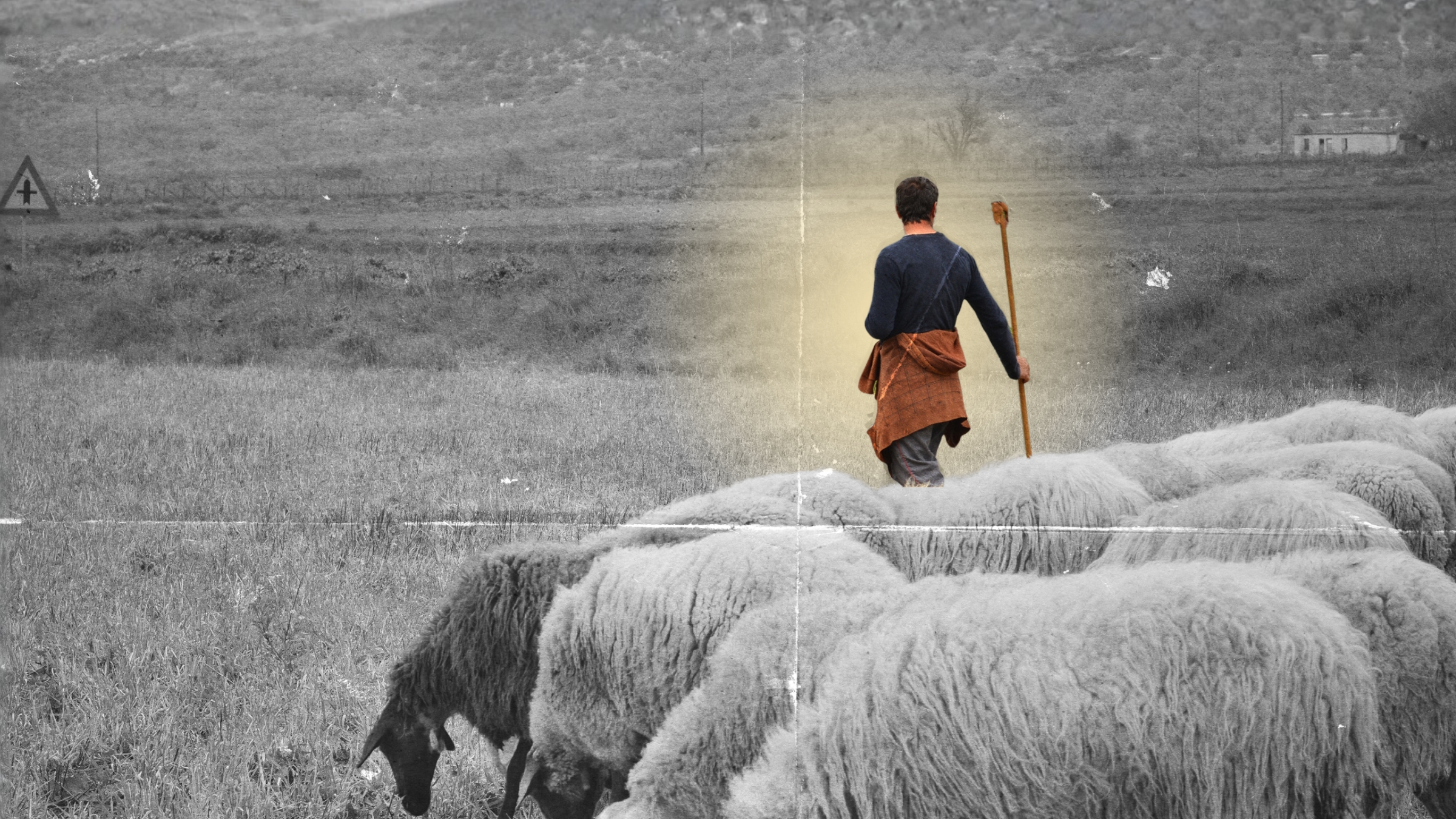
The vitality of global mission is inseparably linked to the well-being of those called to lead it. When pastors and Christian leaders are depleted, discouraged, or isolated, the long-term credibility and effectiveness of the church’s witness are quietly eroded. Conversely, when leaders are sustained spiritually, emotionally, and relationally, the church is better positioned to pursue the Great Commission with integrity, resilience, and faithfulness.
The vitality of global mission is inseparably linked to the well-being of those called to lead it.
Recent research highlights a paradox in contemporary Christian ministry. Surveys conducted by the Hartford Institute for Religion Research report that more than 40 percent of pastors in the United States have seriously considered leaving their congregation at least once since 2020, and over half have considered leaving pastoral ministry altogether. Similar findings from Barna Group and Lifeway Research identify exhaustion, loneliness, and relational conflict as persistent stressors among clergy.1
At the same time, longitudinal analysis complicates narratives of mass resignation. Lifeway Research data indicate that annual pastoral attrition for reasons other than retirement or death remains close to one percent, largely unchanged over the past decade.2
Many pastors are staying. The sustainability crisis, therefore, is less about numerical loss and more about the erosion of inner capacity among those who remain. This pattern of endurance under strain carries profound missional implications: leaders who remain in place while inwardly depleted may continue to function, but their capacity for long-term spiritual leadership, mentoring of emerging leaders, and sustained engagement in mission is diminished.
endurance under strain carries profound missional implications
In the United Kingdom, studies of Church of England clergy have documented elevated indicators of anxiety, depression, and perceived lack of support during and after the COVID-19 pandemic.3 While these findings emerge from Western ecclesial contexts, parallel patterns appear elsewhere in the global church.
In many African contexts, pastoral strain is intensified by bi-vocational realities, economic insecurity, and cultural expectations of constant availability. Studies of clergy and ministry leaders in African settings suggest that holding multiple roles often multiplies emotional exhaustion rather than alleviating it, particularly where institutional support is limited.4
Across these diverse contexts, a common pattern emerges: ministry demands have expanded, while structures to sustain leaders have not kept pace. Addressing this gap is essential not only for pastoral wellbeing, but for the continuity and credibility of the global mission itself.
In parts of Asia and Latin America, additional pressures arise from honour–shame cultural dynamics, rapid church growth, political and social instability, and the emotional labour associated with leading in contexts of trauma and economic volatility.5 These realities reshape pastoral stress and complicate the sustainability of long-term leadership.
Across these diverse contexts, a common pattern emerges: ministry demands have expanded, while structures to sustain leaders have not kept pace. Addressing this gap is essential not only for pastoral wellbeing, but for the continuity and credibility of the global mission itself.
Why Sustainability Matters Theologically
1. The Pastor as Image Bearer, Not Machine
Genesis presents humanity as created in the image of God, entrusted with meaningful work patterned by rest. Jesus himself modelled withdrawal and renewal, inviting his disciples to ‘come away . . . and rest’ (Mark 6:31). When pastors function as if indispensable, they risk denying their creaturely limits and subtly replacing dependence on God with dependence on relentless activity. Such patterns not only undermine personal integrity but also weaken the church’s capacity to model a holistic gospel to the world.
2. Sabbath and Trust
Sabbath is not optional recovery time but a declaration of faith that the church belongs to Christ. Eugene Peterson warned that neglecting Sabbath becomes a form of ‘pastoral atheism’, a lived belief that outcomes depend on human effort rather than divine faithfulness.6 In contexts of scarcity, persecution, or rapid growth, Sabbath becomes an even more countercultural act of trust that protects leaders for long-term service.
3. Community and Mutuality
Scripture’s vision of the church as the body of Christ (1 Cor 12; Eph 4) resists isolated hero-leadership. Sustainability grows where leadership is shared, authority is distributed, and burdens are carried together. Global ecclesiology consistently affirms that community is not merely a support mechanism, but a theological reality that sustains witness and mission.13
community is not merely a support mechanism, but a theological reality that sustains witness and mission
4. Cross, Resurrection, and Hope
The way of the cross reminds the church that suffering is not synonymous with failure. Yet the hope of the resurrection guards against romanticising exhaustion. Sustainable ministry is cruciform perseverance animated by confidence that faithful labour in the Lord is not in vain (1 Cor 15:58). This hope sustains leaders not only for personal endurance but for faithful participation in God’s redemptive mission.
Lessons for Global Mission from Recent Trends
Lesson 1: The story is more complex than ‘everyone is leaving’.
Public discourse often frames clergy wellbeing as a crisis of mass departure. However, the data rather suggests a pattern of endurance under strain. The pressing challenge is not merely retention, but restoration: enabling pastors to remain in ministry with spiritual vitality rather than quiet depletion.14
Lesson 2: Mental health is named more openly, yet stigma persists.
In many Western contexts, conversations about anxiety and depression have become more visible. However, stigma remains significant, particularly in cultures where psychological distress is spiritualised or concealed. Global mission and pastoral care literature consistently notes that untreated distress contributes to long-term vocational fatigue and diminished leadership capacity.15
Lesson 3: Evidence-based spiritual practices can strengthen resilience.
Recent research indicates that Christ-centred contemplative practices can reduce pastoral burnout and emotional exhaustion. This study found that a structured Christian mindfulness intervention, grounded in prayerful attentiveness and scriptural reflection, led to measurable reductions in pastoral burnout.16 This research should be understood as emerging evidence rather than a definitive prescription, and must be interpreted within theological and cultural contexts.
Lesson 4: Organisational culture shapes sustainability as much as personal resilience.
Relational conflict, unclear expectations, and emotional disconnection consistently emerge as major sources of pastoral discouragement. In hierarchical cultures, power distance can make feedback and accountability difficult for junior clergy. Even healthy leaders struggle in unhealthy systems.17
Lesson 5: Support must match demand.
Contemporary ministry now encompasses digital engagement, crisis response, and expanded emotional labour. Organisational psychology research underscores the importance of balancing job demands with realistic authority and sustained support for long-term effectiveness.18
A Four-Level Roadmap for Mission-Sustaining Leadership
Level 1: Personal Practices—Cultivating a Rule of Life
Personal formation is not a private luxury but a missional necessity. Sustainable ministry requires Sabbath rhythms treated as covenant, not convenience; regular spiritual and psychological care through mentoring, spiritual direction, or therapy; clear boundaries around time and digital engagement; and embodied stewardship through sleep, movement, and nourishment. These practices are not self-care in isolation, but stewardship of vocation for long-term mission faithfulness.
Personal formation is not a private luxury but a missional necessity.
Level 2: Relational Ecosystem—Moving from Isolation to Shared Life
Peer-support cohorts, protected family life, and intergenerational mentoring reduce isolation and strengthen resilience. Global mission research consistently highlights that leaders who are relationally embedded are better equipped to endure pressure, model healthy discipleship, and reproduce leadership over time.19
Level 3: Organisational Culture—Designing for Flourishing
Sustainable systems require role audits to reduce unrealistic expectations, team-based leadership that distributes authority, planned sabbaticals linked to renewal goals, and training for boards and elders in conflict transformation and emotional intelligence. Incorporating wellbeing indicators alongside attendance and finances (such as Sabbath observance, peer-group participation, and access to pastoral care) signals that longevity and integrity are valued as measures of faithfulness.20
Level 4: Global and Missional Partnerships
Global mission sustainability depends on mutual learning rather than one-directional transfer. South–North learning exchanges allow Western churches to learn perseverance and communal resilience from African and Majority World pastors ministering under scarcity, while offering governance frameworks and professional support systems in return.21 Contextualised mental-health initiatives and digital collaboration through global retreats and mentoring can further strengthen leaders across regions.

Moving from Crisis to Missional Faithfulness
Recent years have revealed both fragility and faithfulness within the pastoral vocation. Research confirms widespread exhaustion, yet it also testifies to enduring commitment.22 Sustainability is not a self-help project, but a kingdom ethic grounded in the conviction that the God who calls also sustains.
Sustaining the shepherds is a missional imperative.
Unhealthy leaders often produce unhealthy or stagnant movements. Clergy who are supported to rest, heal, and endure become credible witnesses to the gospel they proclaim. When churches measure success by longevity, integrity, and faithful presence rather than relentless output, they align ministry practice with the logic of the Great Commission. For the sake of those yet to hear, and for the health of the church in every nation, sustaining the shepherds is not peripheral. It is a missional imperative.
Bibliography
- Earls, Aaron. ‘Pastors Remain Committed to the Pulpit’. Lifeway Research, 29 May 2025. https://research.lifeway.com/2025/05/29/pastors-remain-committed-to-the-pulpit/.
- Escobar, Samuel. The New Global Mission: The Gospel from Everywhere to Everyone. IVP Academic, 2003.
- Exploring the Pandemic Impact on Congregations. ‘“I’m Exhausted All the Time”: Exploring the Factors Contributing to Growing Clergy Discontentment’. 11 January 2024. https://www.covidreligionresearch.org/research/national-survey-research/im-exhausted-all-the-time-exploring-the-factors-contributing-to-growing-clergy-discontentment/.
- Frederick, Thomas V., Yvonne Thai, Scott E. Dunbar, et al. ‘The Effects of Role Differentiation Among Clergy: Impact on Pastoral Burnout and Job Satisfaction’. Pastoral Psychology 72, no. 1 (2023): 121–42. https://doi.org/10.1007/s11089-022-01052-w.
- Jenkins, Philip. The Next Christendom: The Coming of Global Christianity. Oxford University Press, 2011.
- Kilian, Dawn. Before You Burnout: Cultivating Sustainable Practices That Lead to Clergy Family Resilience. n.d.
- ‘Lausanne | State of the Great Commission Report: Numerous Challenges and Demographical Shifts in Global Missions – The Gospel Herald’. Accessed 3 February 2026. https://www.gospelherald.com/news/lausanne-state-great-commission-report-numerous-challenges-demographical-shifts-global?gad_source=1&gad_campaignid=431950870&gbraid=0AAAAADanlLqQe4BpArUExN1AgKwDkfnvL&gclid=CjwKCAiAs4HMBhBJEiwACrfNZWa2hA71FexaTSRQCGG0rvxz4myg6OI1MZffW2svvY-buBK3m4JdBxoCaacQAvD_BwE.
- Lifeway Research. ‘Enlightening Churches With Research & Insights’. Accessed 25 December 2025. https://research.lifeway.com/.
- ‘New Data Shows Hopeful Increases in Pastors’ Confidence & Satisfaction’. Barna Group, n.d. Accessed 23 December 2025. https://www.barna.com/research/hopeful-increases-pastors/.
- Ojo, Matthews A. The End-Time Army: Charismatic Movements in Modern Nigeria. Africa World Press, 2006.
- Peterson, Eugene H. Working the Angles: The Shape of Pastoral Integrity. Wm. B. Eerdmans Publishing, 1987.
- ‘Roadmap 2030 | World Evangelical Alliance’. Https://Worldea.Org/, 20 October 2022. https://worldea.org/who-we-are/roadmap-2030/.
- ‘The Strengths & Struggles of Today’s Pastors’. Barna Group, n.d. Accessed 25 December 2025. https://www.barna.com/trends/pastoral-flourishing/.
- Trammel, Regina, Ryan McCune, and Chris Adams. ‘A Wait-List Control Study on the Effectiveness of a Christian Mindfulness Intervention for Pastors on Mindfulness State and Burnout’. Pastoral Psychology 74, no. 4 (2025): 607–18. https://doi.org/10.1007/s11089-025-01221-7.
- ‘Whose Religion Is Christianity?: The Gospel Beyond the West : Lamin Sanneh: Amazon.Co.Uk: Books’. Accessed 3 February 2026. https://www.amazon.co.uk/Whose-Religion-Christianity-Gospel-Beyond/dp/0802821642/ref=sr_1_1?crid=7R5FF9XTY1XD&dib=eyJ2IjoiMSJ9.HKivAL7tTAVHW9Z25SZpoQ.KzhSgv3jl40uqDL_F2qoLoTFfSzM0Z79rezw4HfZhFA&dib_tag=se&keywords=Whose+Religion+Is+Christianity%3F+The+Gospel+Beyond+the+West.+Eerdmans%2C+2008.&qid=1770083300&sprefix=whose+religion+is+christianity+the+gospel+beyond+the+west.+eerdmans+2008.%2Caps%2C581&sr=8-1.
Endnotes
- ‘The Strengths & Struggles of Today’s Pastors’.
- Lifeway Res., ‘Enlightening Churches With Research & Insights’.
- Kilian, Before You Burnout: Cultivating Sustainable Practices That Lead to Clergy Family Resilience.
- Kilian, Before You Burnout: Cultivating Sustainable Practices That Lead to Clergy Family Resilience; Ojo, The End-Time Army: Charismatic Movements in Modern Nigeria; ‘Roadmap 2030 | World Evangelical Alliance’.
- Escobar, The New Global Mission; ‘Whose Religion Is Christianity?: The Gospel Beyond the West : Lamin Sanneh: Amazon.Co.Uk: Books’; Jenkins, The Next Christendom; ‘Lausanne | State of the Great Commission Report’.
- Peterson, Working the Angles, 19–21.
- Escobar, The New Global Mission; ‘Whose Religion Is Christianity?: The Gospel Beyond the West : Lamin Sanneh: Amazon.co.uk: Books’.
- Explor. Pandemic Impact Congregat., ‘I’m Exhausted All the Time’; Lifeway Res., ‘Enlightening Churches With Research & Insights’.
- Kilian, Before You Burnout: Cultivating Sustainable Practices That Lead to Clergy Family Resilience; ‘Lausanne | State of the Great Commission Report’.
- Trammel et al., ‘A Wait-List Control Study on the Effectiveness of a Christian Mindfulness Intervention for Pastors on Mindfulness State and Burnout’.
- Frederick et al., ‘The Effects of Role Differentiation Among Clergy’.
- Frederick et al., ‘The Effects of Role Differentiation Among Clergy’.
- ‘Roadmap 2030 | World Evangelical Alliance’; ‘Lausanne | State of the Great Commission Report’.
- Frederick et al., ‘The Effects of Role Differentiation Among Clergy’.
- Escobar, The New Global Mission; ‘Lausanne | State of the Great Commission Report’.
- ‘New Data Shows Hopeful Increases in Pastors’ Confidence & Satisfaction’; Earls, ‘Pastors Remain Committed to the Pulpit’.